The Thing on the Tracks in Tennessee's Most "Haunted" Town
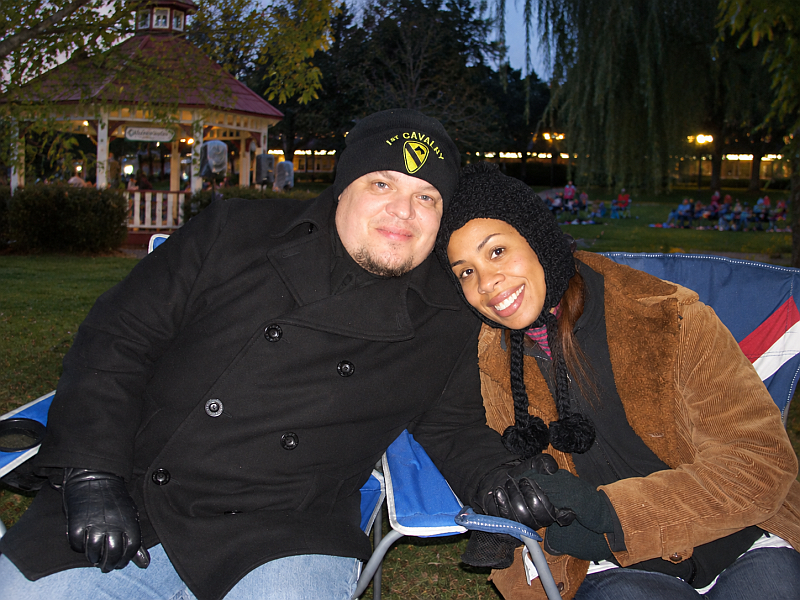
Image © 2026 Mad Scot Media
There are towns that wear their history like a heavy wool coat, and then there are the ones where the air simply changes weight on you. You feel it in your teeth the moment you turn at the light onto North Cherokee Street—a quiet, suffocating pressure, as if the ground itself is holding onto centuries of things left unsaid and grudges that refuse to rot. It passes itself off as a quaint Southern postcard with antique shops and brick sidewalks, but beneath the autumn leaves, something cold keeps watch.
For five years, we lived right there in Jonesborough. We walked those streets, breathed that mountain air, and watched the seasons turn.
One of the undeniable treats of living there was the National Storytelling Festival. When the sun dipped behind the courthouse and the air turned sharp, everyone hauled their camp chairs and woolen blankets down to the main gazebo. You'd sit shoulder-to-shoulder in the gathering dark, trading the noise of the modern day for the ancient comfort of a voice in the shadows.
We made a point never to miss the ghost stories at sundown. One particular year, the evening stretched out long after the headliners finished. The first performer was a woman telling a genuinely unsettling tale about an unusual ice cream man called "Mister Ice Cold." The final act was an old Irishman whose voice could summon the gray damp of the moors, leaving us with Celtic tales of Sluaghs and Banshees that left everyone a little wide-eyed.
We gathered our wits and headed back to the car. It was a drive home we had made a thousand times, taking a familiar route over the train tracks. But that night, the ordinary world had slipped its moorings.
As we approached the crossing, a single, pencil-thin column of white fog stood dead upright over the rails. There was no other mist anywhere in the valley; just that one frozen pillar cutting the blackness like chalk. The air inside the car turned heavy, and every sound—even the hum of the engine—was swallowed whole by a sudden, oppressive silence.
We hesitated. Every instinct in our bones warned us to put the car in reverse, but that was the way home, so we went ahead.
As soon as we crossed the tracks, we saw a figure walking ahead in the headlights. Normally, a pedestrian hearing a car creep up behind them at night will cast a glance over their shoulder. This person didn't. Instead, they moved with an unsettling, unearthly clumsiness, as though they weren't entirely used to operating a human frame.
Wrapped entirely in dark, shapeless clothing with a deep black hood pulled low, the figure was unusually tall and painfully gaunt. It jerked forward in frantic, awkward motions, desperate to put distance between itself and us, yet trapped in a mechanical rhythm that defied anatomy.
We bolted, putting as much distance between ourselves and whatever we had just seen as the engine would allow. It took hours for the chill to leave our hands, and we never saw anyone move in that strange manner again. But small towns are built on the things they refuse to speak of. Evil does not wear a neon sign; it wears the forced smile of a neighbor and the polite nod of a passerby.
Waadizi, Michigan is much the same as Jonesborough, Tennessee. A quiet village of age, backwater, loons, and very big secrets.
We are just days away from the release of The Fall of Waadizi, Michigan on October 1st, available on Amazon in eBook, hardcover, and paperback—joining the first two books, which are already waiting for you there. But a word of warning: some people never leave these "haunted" towns.
-Dwight & Rebecca